



Wow! I remember the first time I clicked “add extension” and felt a tiny jolt of curiosity. My instinct said this would be another cookie-cutter wallet, but somethin’ about Phantom caught my eye. It was clean, quick, and somehow polite—less flashy, more useful—and that matters. Initially I thought it was just slick design, but then I realized the UX choices actually cut down on mistakes, which matters a lot when private keys are involved.
Really? The speed is noticeable. Phantom boots up fast enough that I stopped watching the spinner. On Solana, that little bit of speed changes behavior—people trade, stake, and interact more when the tool isn’t in the way. I’m biased, but the extension’s transaction flow feels less like an obstacle and more like a helper. Also, the pop-up confirmations are readable even for folks who skim, which reduces accidental approvals.
Whoa! There was a moment where I almost sent the wrong token. Yep. My heart skipped. Thankfully Phantom’s token labels and small warnings bought me time to double-check. That pause saved me from a dumb mistake—seriously, it did. On one hand, the design nudges good behavior; on the other hand, no UI can cover every user error, though actually the tool goes further than many others and surfaces gas and fee details in an approachable way, which makes budgeting easier for newcomers and power users alike.
Here’s the thing. Security feels pragmatic, not theatrical. Phantom uses local encryption for keys and supports hardware wallets, which should reassure people who are cautious. Initially I thought local-only key storage was limiting, but then I remembered hardware support bridges that gap, letting me keep keys offline while using the extension for everyday interactions. That combo—convenience plus optional cold storage—struck me as the right tradeoff for most desktop users.
Hmm… the onboarding surprised me. The guided steps are short and conversational, which helps. A lot of crypto onboarding either talks down to users or assumes a PhD in UX design, and Phantom lands somewhere practical between those extremes. I wasn’t 100% sure about some of the wording at first, and I had to re-read a couple prompts (oh, and by the way…) but overall the flow reduces the usual friction.
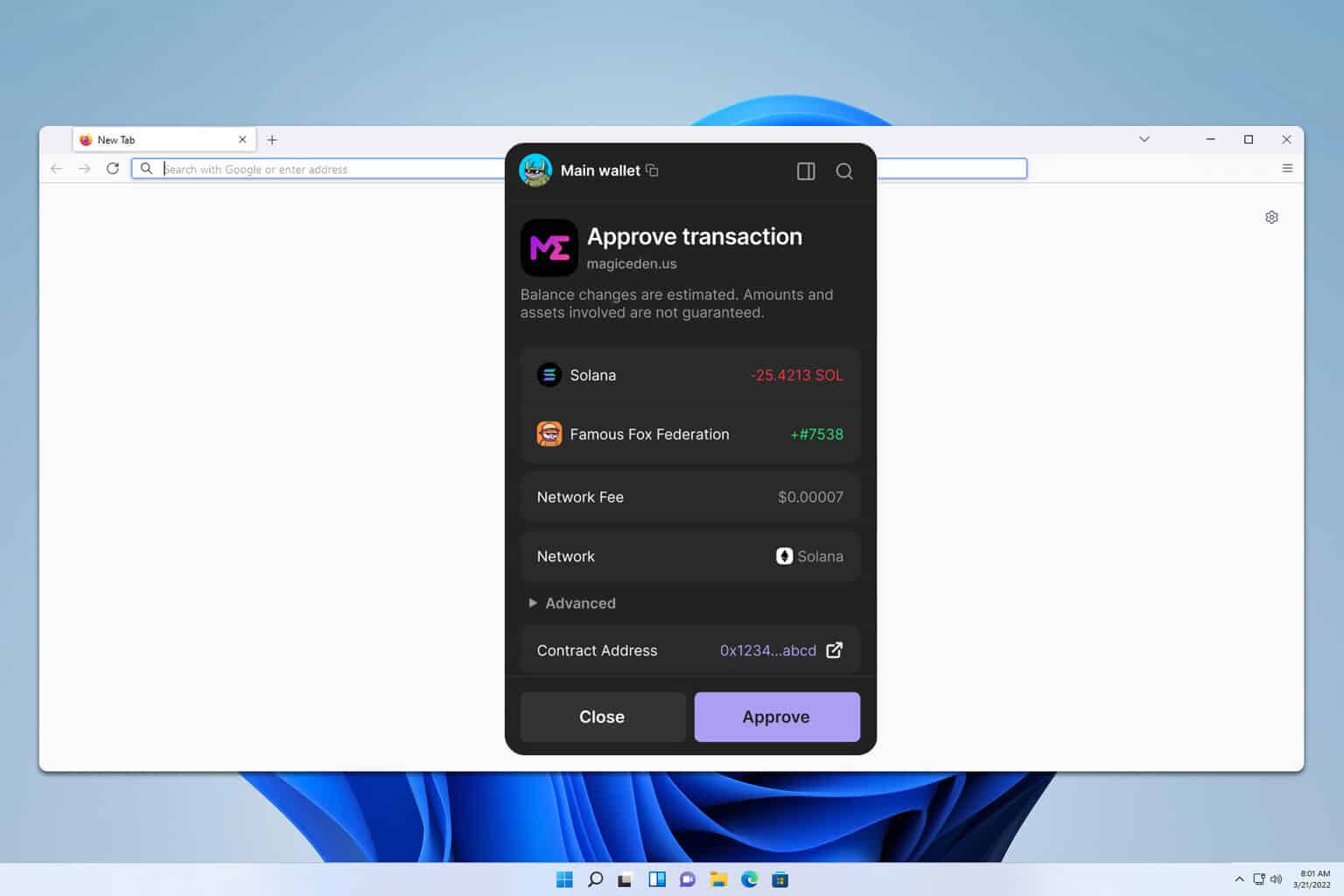
Getting Started—and Where to Grab the Extension
Seriously? If you’re ready to try it, there’s an easy path to the installer that many people miss because they’re wary of links. For convenience and clarity you can go straight to the official installer page I used: phantom wallet download extension. My instinct said double-check the domain and signatures, and that’s still smart—do that. The average user can install the extension, create a wallet, and save their seed in under ten minutes if they follow the prompts carefully.
Wow! Wallet setup is that straightforward. The seed phrase prompt is unglamorous but effective; it pauses you long enough to write things down. There’s no heroic marketing copy here—just a few screens that say “secure this now” and show the consequences if you don’t. That bluntness works. Still, some folks will skip it, which is why I keep telling friends to treat the seed like a house key that can’t be replaced.
Really? Recovery and account management are elegant. Phantom makes switching networks and adding custom tokens simple without burying advanced settings. On the other hand, some power users might want deeper analytics in the UI, though there are extensions and sites that bridge that gap if you care to add them. Initially I thought the extension tried to be too minimal, but then I appreciated how minimalism reduces accidental clicks and mistakes.
Here’s the thing. Integrations with dApps are mostly seamless, but not flawless. I connected to a DeFi app the other day and the permission modal was crystal clear, though the dApp’s request description could be better—some devs still ask broadly for “wallet access” and that vagueness bugs me. Be cautious. Check requested permissions before signing, and if a site seems off, close the tab and come back later.
Hmm… token management deserves a shoutout. Adding and hiding tokens is simple, and price feeds are presented without clutter. But: token labeling isn’t perfect, and rare tokens sometimes show with generic icons, which has tripped me up once or twice. I know, rookie mistake, but that experience taught me to verify contract addresses when dealing with new tokens. Honestly, that should be standard practice, though I wish the UI nudged users to double-check contracts more forcefully.
Whoa! Performance across tabs held up during heavy use. I had a swap, an NFT mint, and a staking transaction open in quick succession and Phantom didn’t choke. For web extensions, that’s not a given. The memory footprint stayed reasonable, which matters if you run many tabs and dev tools at once, like I do when testing dApps.
Really? Transaction explainers are a quiet win here. Phantom breaks down fees, signer counts, and approximate time to finalize, which helps demystify the blockchain for new users. On one hand, this improves trust; on the other hand, not everyone reads the fine print, and bad actors count on that. So while the tool provides clarity, user education still must walk alongside product design.
Here’s the thing. Support and community signal authenticity. The team stays active in Discord and Twitter, which means bugs get noticed fast. I’m not saying customer support is flawless—they have limitations and ticket backlogs—but quick community fixes and public roadmaps matter a lot to me. They show commitment rather than silence.
FAQ
Is Phantom safe for long-term storage?
Short answer: use a hardware wallet for long-term storage. Phantom supports hardware devices so you can sign transactions without exposing keys, which is the smart balance between daily use and cold storage. I’m biased toward hardware-first thinking, but this combo keeps things practical for most desktop users.
Can I use Phantom with every Solana dApp?
Mostly yes. Phantom implements common wallet adapter standards so it plays well with most Solana sites, though some niche or newly built dApps might require a manual connection or specific adapter versions. My experience says if something fails, check the dApp’s docs and your extension version—updating usually solves it.

